The Role of Sustainability in the Nylon Yarn Market
In recent years, sustainability has emerged as a pivotal theme within the textile industry, prompting brands and consumers to reconsider their choices. As one of the most widely used synthetic fibers, nylon filament yarn is crucial in this transition towards environmentally friendly practices. This article explores how the nylon filament yarn market is addressing sustainability challenges and the advantages of recycled nylon compared to traditional options.
7+
Yarn of Experience
12+
Market circulation
20+
Approximate distribution countries
Addressing Sustainability Challenges
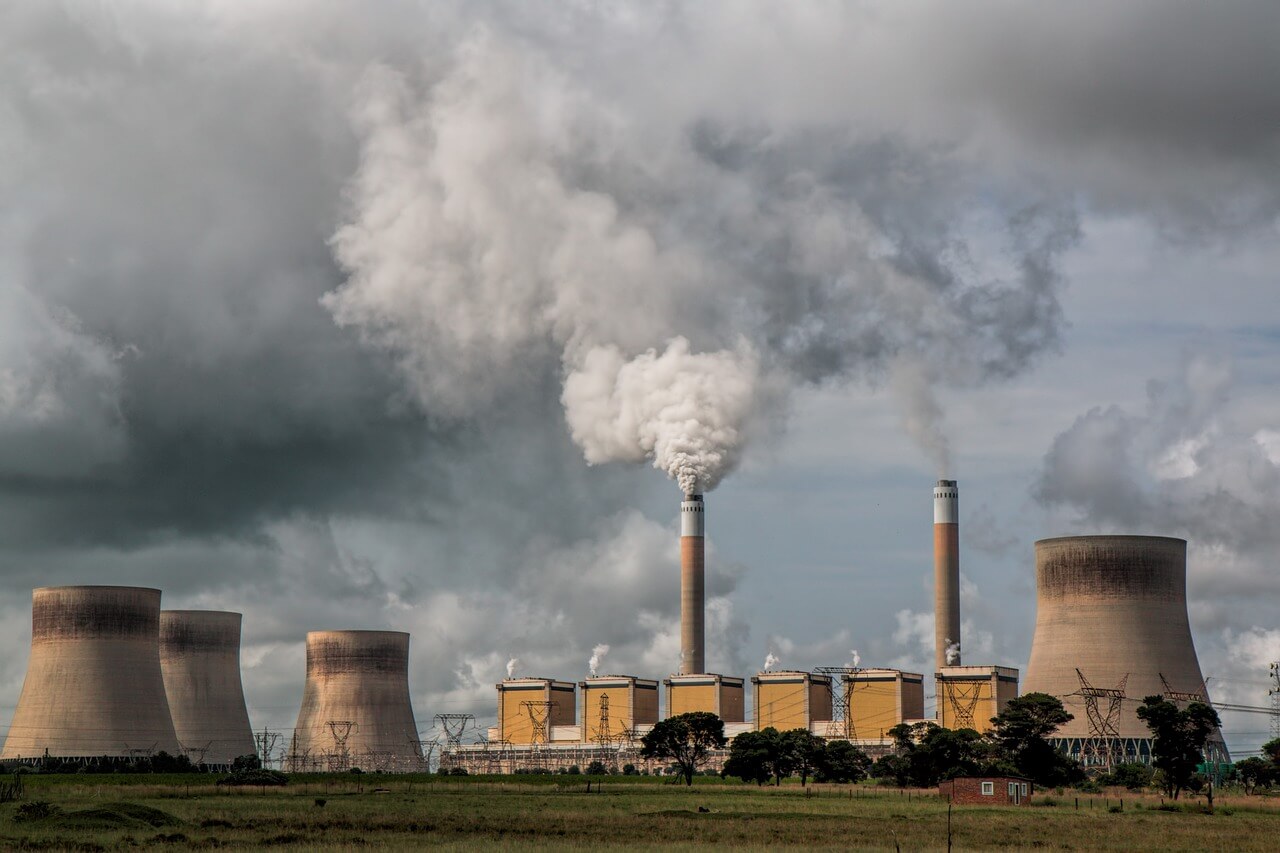
The textile industry is notorious for its environmental impact, from water consumption to chemical pollution. In response, manufacturers are increasingly adopting sustainable practices in their production processes. The nylon filament yarn market is no exception.

Adoption of Recycled Materials
One of the most significant advancements in sustainability is the rise of recycled nylon yarns. Produced from post-consumer waste, such as discarded fishing nets and fabric scraps, recycled nylon significantly reduces reliance on virgin materials. This not only conserves resources but also minimizes waste in landfills. Brands like POLYLION have pioneered this approach, demonstrating that high-quality products can be made from recycled materials without compromising performance.
Bio-based Nylon Innovations
Another promising development is the emergence of bio-based nylon yarns, derived from renewable resources like castor beans. These alternatives offer a more sustainable option by reducing carbon footprints associated with fossil fuel extraction and processing. As consumers become more environmentally conscious, the demand for bio-based textiles is expected to grow, driving innovation and investment in this area.
Benefits of Recycled Nylon Yarns
Recycled nylon yarns present several advantages over traditional nylon that appeal to both manufacturers and consumers:
Environmental Impact
The production of recycled nylon requires significantly less energy compared to virgin nylon, resulting in lower greenhouse gas emissions. For instance, using recycled materials can reduce energy consumption by up to 90%, making it a more environmentally friendly choice.
Performance and Quality
Contrary to common misconceptions, recycled nylon does not compromise on quality or performance. In fact, many recycled nylon products exhibit durability and strength comparable to their virgin counterparts. This makes them suitable for a wide range of applications, from fashion to industrial textiles.
Consumer Appeal
As sustainability becomes a key purchasing criterion for many consumers, brands that incorporate recycled nylon into their products can enhance their marketability. Eco-conscious consumers are increasingly willing to pay a premium for sustainable options, creating a lucrative niche for companies that prioritize environmental responsibility.
Market Trends and Future Outlook
The shift towards sustainability in the nylon filament yarn market is not just a passing trend; it reflects broader changes in consumer behavior and regulatory landscapes. Governments worldwide are implementing stricter regulations on waste and emissions, pushing manufacturers to adopt greener practices.
Moreover, major brands are setting ambitious sustainability goals, including commitments to use more recycled materials in their products by 2025 or earlier. This trend is likely to accelerate as technology improves and consumer awareness grows.
Conclusion
The role of sustainability in the nylon yarn market is becoming increasingly significant as both consumers and manufacturers recognize the need for environmentally responsible practices. The rise of recycled and bio-based nylon yarns represents a promising step toward reducing the textile industry’s environmental footprint while maintaining high standards of quality and performance.

As we move forward, it will be essential for stakeholders across the supply chain— from producers to retailers—to collaborate and innovate to meet the growing demand for sustainable textiles. By embracing these changes, the nylon filament yarn market can not only thrive but also contribute positively to our planet’s future.

