The production of nylon yarn, particularly Nylon POY (Partially Oriented Yarn) and its derivative, Nylon DTY (Drawn Textured Yarn), is heavily influenced by the quality of the raw materials and processes involved. Understanding these influences is crucial for manufacturers aiming to produce high-quality textiles that meet market demands.
The Relationship Between Nylon POY and DTY Quality
Nylon POY serves as the foundational material for producing Nylon DTY. The characteristics of the POY directly affect the quality of the final DTY product. Key factors influencing this relationship include:
Residual Floating Filaments: These are small, unbonded fibers that can lead to defects in the final product. If not adequately managed, they can cause issues such as pilling and reduced durability in DTY fabrics.
Oil Content: The oil used during the spinning process plays a significant role in the yarn’s performance. Insufficient oil can lead to friction and breakage during subsequent processing, while excessive oil can affect dye uptake and overall fabric quality.

NYLON DTY YARN
Nylon DTY is known for its excellent stretch and recovery, making it ideal for applications that require elasticity, such as activewear and form-fitting garments. The yarn undergoes a specialized texturing process that enhances its bulkiness and softness, resulting in a luxurious hand feel. This process also improves its durability, as DTY exhibits high strength and abrasion resistance. Additionally, nylon DTY yarn is vibrant and colorfast, allowing for a wide range of vibrant colors that maintain their intensity over time. Its moisture-wicking properties further enhance its suitability for performance textiles, providing comfort and breathability in various climates.

NYLON POY YARN
Nylon POY, or Partially Oriented Yarn, is characterized by its dimensional stability and cost-effectiveness. This yarn is only partially drawn during production, which gives it a balance of strength and elasticity suitable for various textile applications. POY exhibits good moisture resistance and maintains its shape well after repeated use and washing. Its lightweight nature makes it an excellent choice for products where weight reduction is critical. Furthermore, POY can be easily processed into various yarn types, including textured and twisted yarns, offering versatility in manufacturing while retaining excellent colorfastness.
Ensuring Optimal Quality During Production
Manufacturers can implement several best practices to ensure high-quality Nylon POY and, consequently, superior Nylon DTY:
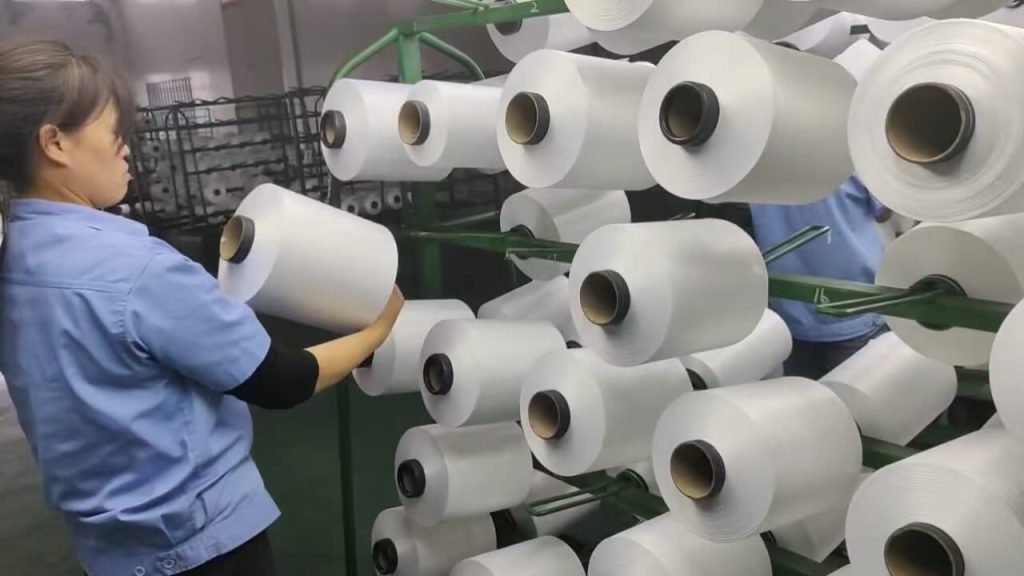
Regular Quality Control Checks
Consistent monitoring of residual filaments and oil content during production can help identify issues early. Implementing stringent quality control measures ensures that only high-quality POY is used for DTY production.
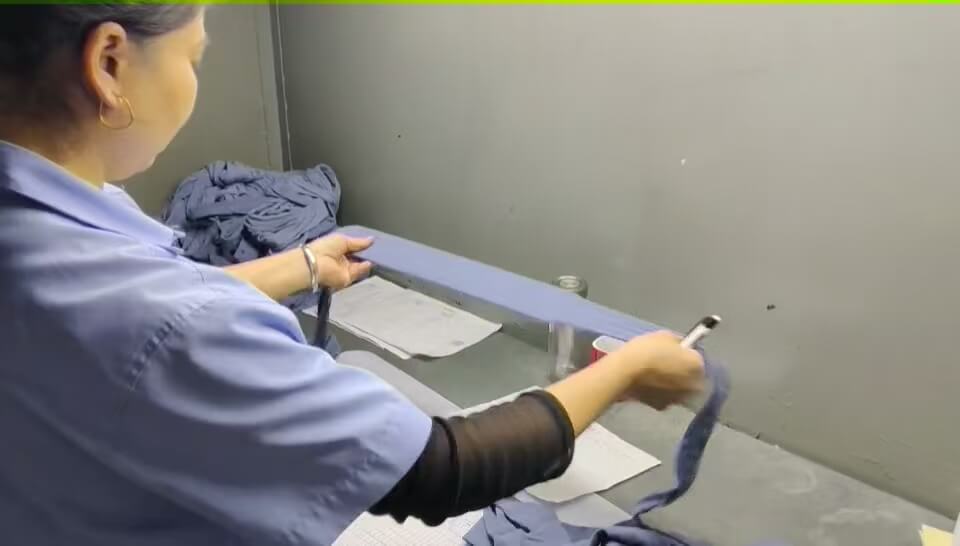
Proper Pre-treatment
Before dyeing or further processing, it’s essential to pre-treat the yarn to remove impurities. This step is crucial for achieving vibrant colors and maintaining the integrity of the fibers.

Adjusting Machine Settings
Ensuring that knitting or weaving machines are correctly calibrated is vital. Excessive tension can lead to yarn breakage, while improper settings can cause uneven texture in the final product.
Market Implications
The quality of nylon yarn directly impacts market competitiveness. High-quality Nylon DTY is favored in various applications, including activewear, intimate apparel, and technical textiles due to its excellent stretch, recovery, and durability. As consumer demand shifts towards high-performance textiles, manufacturers who prioritize quality will likely see increased market share.
Moreover, with sustainability becoming a focal point in textile production, ensuring high quality through responsible practices can enhance a brand’s reputation. Eco-conscious consumers are increasingly looking for products that not only perform well but are also produced sustainably.
Conclusion
The impact of quality on nylon yarn production cannot be overstated. From managing residual floating filaments to controlling oil content, each aspect plays a critical role in determining the final product’s performance. By adopting best practices and focusing on quality control, manufacturers can produce superior Nylon DTY that meets market demands while enhancing their competitive edge.
As the industry evolves, staying informed about these factors will be essential for stakeholders aiming to navigate the complexities of nylon yarn production effectively. Investing in quality not only benefits manufacturers but also aligns with consumer expectations for high-performance and sustainable textiles.

