Bread yarn is an innovative synthetic textile that mimics the luxurious qualities of silk while offering a range of practical benefits. Primarily composed of polyester or other artificial fibers, bread yarn has gained popularity in the fashion and home textiles industries due to its impressive characteristics.
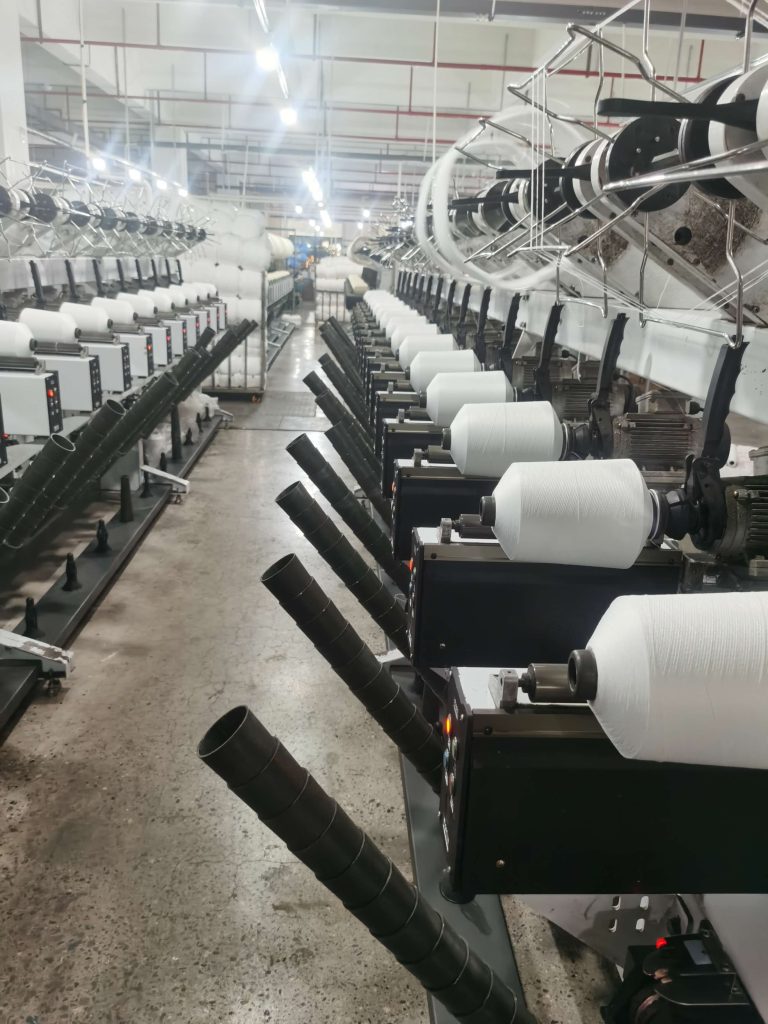
Table of Contents
What is Bread Yarn?
Bread yarn is designed to replicate the sheen and softness of silk, making it an attractive option for various applications. Its lightweight nature, durability, and ease of care contribute to its appeal among manufacturers and consumers alike. This versatile material provides a cost-effective alternative to natural silk without compromising aesthetic quality.
Production Process
The production of bread yarn involves several intricate steps, including polymerization, spinning, dyeing, and finishing. Each stage is carefully controlled to ensure that the final product meets high quality and performance standards.
One notable technique used in creating bread yarn is the incorporation of differential shrinkage composite filaments. By manipulating the shrinkage properties of different materials, manufacturers can achieve the desired texture and appearance, resulting in a fabric that closely resembles natural silk.

Applications of Bread Yarn
Bread yarn’s versatility makes it suitable for a wide range of applications:

Fashion Industry
It is widely used in the production of activewear, lingerie, and casual clothing. The fabric’s lightweight and breathable nature enhances comfort for everyday wear.

Home Textiles
Bread yarn is also popular in home decor items such as curtains and upholstery fabrics. Its elegant appearance adds a touch of sophistication to any space.

High-End Fashion
Due to its luxurious look and feel, bread yarn is increasingly being utilized in high-fashion garments, allowing designers to create stunning pieces at a fraction of the cost of traditional silk.
Market Trends and Sustainability
As consumer demand for sustainable and eco-friendly products rises, manufacturers are exploring the use of renewable materials and environmentally friendly dyeing processes in bread yarn production. This shift not only caters to market preferences but also contributes to reducing the environmental impact associated with textile manufacturing.
The growing trend towards lightweight, comfortable, and low-maintenance fabrics fuels the ongoing development of bread yarn. As a result, this innovative textile continues to gain traction within both the fashion and home textiles markets.
-
In conclusion, bread yarn represents a significant advancement in textile technology. Its ability to combine aesthetic appeal with practical benefits positions it as a valuable material for various applications. As sustainability becomes increasingly important in consumer choices, bread yarn stands out
as a forward-thinking solution for modern textile needs.


