Copy nylon yarn has emerged as a cost-effective alternative to traditional nylon, offering similar performance characteristics at a competitive price. This guide explores its technical specifications, industry applications, and why it’s becoming a go-to solution for manufacturers seeking durability without compromising budgets.
What is Copy Nylon Yarn?
Copy nylon yarn is a synthetic fiber engineered to replicate the properties of conventional nylon (PA6 or PA66) using modified polymers or blended materials. It mimics nylon’s high tensile strength, elasticity, and abrasion resistance while often incorporating cost-saving innovations like recycled polyester or hybrid fiber blends.

Affordability
20–30% lower production costs compared to pure nylon.
Durability:
Retains 80–90% of nylon’s tensile strength and wear resistance.
Customizability:
Available in deniers ranging from 20D to 300D, with options for dyeing, texturing, or functional coatings.
Types and Specifications
| Type | Denier (D) | Key Properties | Common Uses |
|---|---|---|---|
| High-Elasticity Yarn | 20D–70D | Stretchability (150–300% elongation) | Sportswear, lingerie, socks. |
| Reinforced Yarn | 100D–300D | Abrasion resistance, UV stability | Outdoor gear, luggage, industrial belts. |
| Textured DTY Yarn | 75D–215D | Soft hand feel, moisture-wicking | Knitwear, home textiles, upholstery. |
Note: Denier (D) measures yarn thickness—lower values indicate finer threads, while higher values denote heavy-duty fibers.
Copy Nylon Yarn Industry Applications

Apparel and Fashion
Activewear: High-elasticity copy nylon (20D–40D) is used in leggings, swimwear, and compression garments for its stretch and shape retention.
Outerwear: Reinforced 150D–300D yarns provide windproof and water-resistant properties for jackets and sportswear.

Home and Technical Textiles
Upholstery: Textured DTY yarns (75D–215D) create soft, durable fabrics for furniture and curtains.
Industrial Belts: 300D imitation nylon resists friction and heavy loads in conveyor systems.
Medical and Hygiene Products
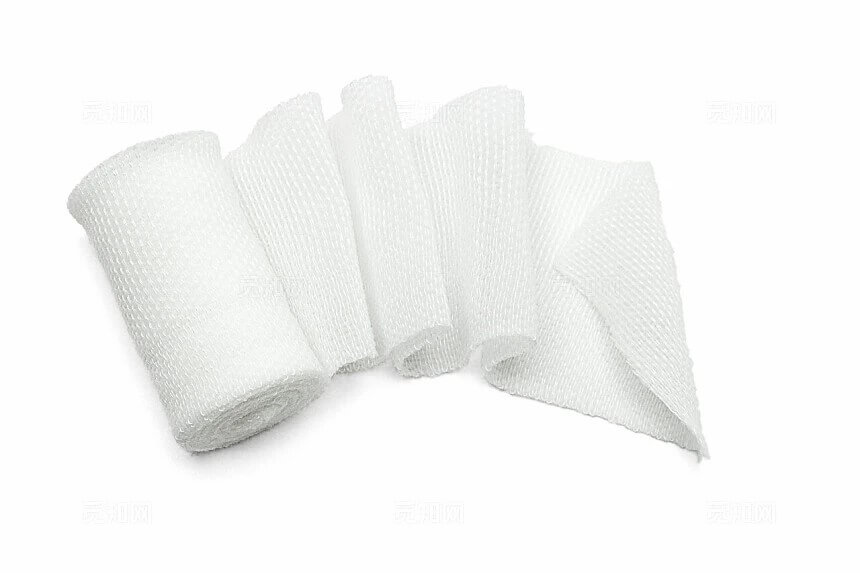
Elastic Bands: 20D–30D yarns are woven into medical braces and disposable hygiene products for gentle skin contact.
Advantages Over Pure Nylon
Cost Efficiency: Reduces material expenses without sacrificing critical performance metrics.
Sustainability: Many variants incorporate recycled polyester or bio-based polymers, aligning with eco-friendly initiatives.
Adaptability: Compatible with existing textile machinery, minimizing retrofitting costs.

How to Source Quality Imitation Nylon Yarn?
Step 1: Define Technical Requirements
Load Capacity: For heavy-duty applications (e.g., industrial belts), prioritize 200D–300D yarns with ≥80% nylon content.
Elasticity Needs: Opt for high-elasticity blends (e.g., spandex-core yarns) for activewear.
Step 2: Evaluate Suppliers
Certifications: Look for ISO 9001 or OEKO-TEX® compliance to ensure safety and consistency.
Customization: Suppliers like China Textile offer tailored deniers, colors, and finishes.
Step 3: Request Samples
Test yarns for:
Tensile Strength: ≥4.5 cN/dtex (for industrial uses).
Colorfastness: Resistance to fading after 20+ washes.
Innovations and Future Trends
Recycled Blends: Up to 50% post-consumer PET content in imitation nylon reduces environmental impact.
Smart Fiber Integration: Conductive coatings enable applications in wearable tech and heated garments.
Bio-Based Polymers: Plant-derived PA56 (e.g., corn starch) offers a sustainable alternative to petroleum-based nylon.
Conclusion:
Copy nylon yarn bridges the gap between performance and affordability, making it a pragmatic solution for industries where cost-efficiency and durability are equally critical. By replicating 80–90% of pure nylon’s strength and abrasion resistance at a fraction of the cost, it enables manufacturers to deliver high-quality products without inflating budgets.
While copy nylon yarn excels in apparel and industrial textiles, emerging applications in wearable technology (e.g., heated garments) and medical devices (e.g., antimicrobial wound dressings) highlight its untapped potential. Its compatibility with existing manufacturing processes further lowers adoption barriers for SMEs.
F.A.Q.
Addressing Common Queries
Copy nylon uses blended polymers (e.g., recycled polyester-spandex) to mimic nylon’s properties at lower costs. While slightly less heat-resistant, it matches nylon in tensile strength and elasticity for most applications.
Apparel: Activewear, swimwear, and compression garments (20D–70D).
Industrial: Conveyor belts, safety harnesses (200D–300D).
Medical: Elastic bands, braces (20D–30D).
Request certifications (ISO 9001, OEKO-TEX®), test tensile strength (≥4.5 cN/dtex), and evaluate colorfastness.
Yes, variants with 30–50% recycled PET content are increasingly available. Ensure suppliers comply with GRS (Global Recycled Standard) for authenticity.
For UV-heavy environments (e.g., outdoor gear), opt for yarns with UV-resistant coatings. For high-heat settings, pure nylon remains superior.

