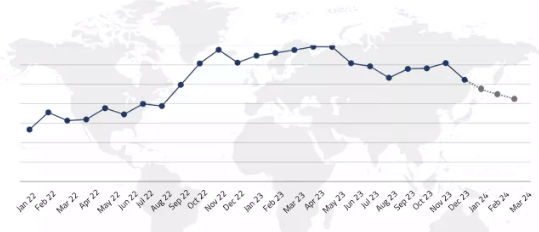
The global market for Nylon Drawn Textured Yarn (DTY) has been experiencing significant price fluctuations, particularly in 2023. As a brand expert specializing in [1], I aim to provide valuable insights into the factors driving these price changes, effective [1], and [2] that can help purchasers navigate this complex landscape. In this article, I will delve into the key drivers of Nylon DTY prices, offer strategic procurement advice, and explore the potential for market recovery post-2025.
What Are the Key Price Drivers for Nylon DTY?
The price of Nylon DTY is influenced by several critical factors:
Raw Material Costs:
The primary raw materials for Nylon DTY production are derived from petroleum-based products. As crude oil prices fluctuate, so do the costs associated with producing Nylon fibers. In 2023, we observed a notable decline in prices due to oversupply and decreased demand in downstream industries such as automotive and textiles.
Downstream Demand:
The demand for Nylon DTY is closely linked to its applications in various industries. The automotive sector, which relies on Nylon for components like seat covers and airbags, has seen fluctuating demand due to economic conditions. Similarly, the textile industry’s shift towards sustainable practices has influenced purchasing patterns.
Supply Chain Disruptions:
Geopolitical tensions and logistical challenges have created risks in the supply chain. For instance, disruptions caused by conflicts in key shipping routes have led to increased transportation costs and delays in material availability
What Procurement Strategies Should Be Considered?
Given the volatility in Nylon DTY pricing, here are some strategic procurement recommendations:
[1]: Locking in prices through long-term contracts can protect against future price increases. Establishing agreements with suppliers can provide stability amid fluctuating market conditions.
[2]: Engaging multiple suppliers can mitigate risks associated with supply chain disruptions. By diversifying sources, purchasers can ensure continuity of supply even if one supplier faces challenges.
[3]: Maintaining optimal inventory levels is crucial. In periods of low demand, as witnessed in 2023, excess inventory can lead to significant price reductions. A proactive approach to inventory management can help avoid overstock situations while capitalizing on lower prices when they occur.
How Do Market Predictions Affect Future Demand?
Looking ahead, experts predict a rebound in demand for Nylon DTY post-2025. As industries recover from the impacts of oversupply and economic downturns, several trends are likely to shape the market:
Economic Recovery: As global economies stabilize and consumer confidence returns, demand for high-quality fabrics is expected to rise. This resurgence will likely drive up prices as manufacturers adjust production to meet increased needs.
Sustainability Trends: The textile industry’s shift towards sustainable practices will continue to influence demand for eco-friendly materials. Manufacturers focusing on recycled or sustainable Nylon DTY may find new opportunities as consumers increasingly prioritize environmental considerations.
Technological Advancements: Innovations in production processes could lead to more efficient manufacturing methods, potentially lowering costs and stabilizing prices over time. Companies investing in R&D may gain a competitive edge by offering superior products at competitive prices.
Conclusion
Understanding the dynamics of Nylon DTY price fluctuations is essential for effective procurement strategies. By recognizing the key drivers of pricing—such as raw material costs, downstream demand, and supply chain risks—purchasers can make informed decisions that align with market trends.As we look toward 2025 and beyond, strategic approaches like long-term contracts and supplier diversification will be vital in navigating the anticipated recovery phase. With careful planning and adaptability, businesses can position themselves favorably within this evolving market landscape.

