
Introduction to Spandex
Spandex, also known as elastane or Lycra, is a synthetic fiber renowned for its exceptional elasticity. First produced in the 1950s by Bayer Fibers and later popularized by DuPont under the brand name Lycra, spandex has become a staple in the textile industry due to its unique properties and versatile applications.


About yarn
Properties of Spandex
Spandex fibers are characterized by their ability to stretch up to 600% of their original length and return to their original shape. This remarkable elasticity is due to the fiber’s polyether-polyurea copolymer structure. Key properties of spandex include:
High Elasticity
Can stretch significantly and recover its original shape.
Durability
Resistant to abrasion and wear.
Lightweight
Adds minimal weight to fabrics.
Fast Drying
Dries quicker than many other fibers.
Comfort
Provides a snug fit without restricting movement
Applications of Spandex
Spandex is used in a wide range of applications, from everyday clothing to specialized industrial products. Here are some of the primary uses:

Activewear
Spandex is a crucial component in many sports and activewear, such as leggings, tights, sports bras, and athletic shorts. Its elasticity allows for a greater range of motion, enhancing performance and comfort
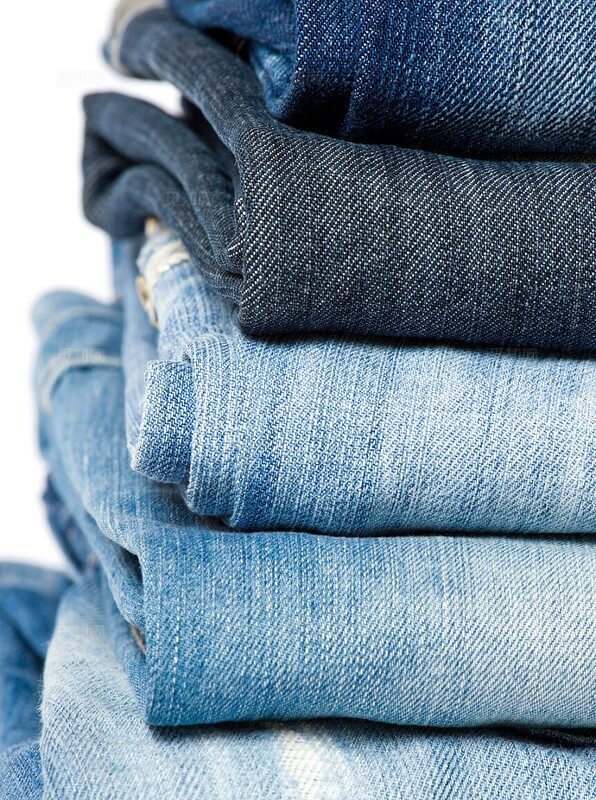
Compression Garments
Compression garments, including stockings, socks, and sleeves, use spandex to stimulate blood flow and provide muscle support. These garments are used for both medical and athletic purposes.
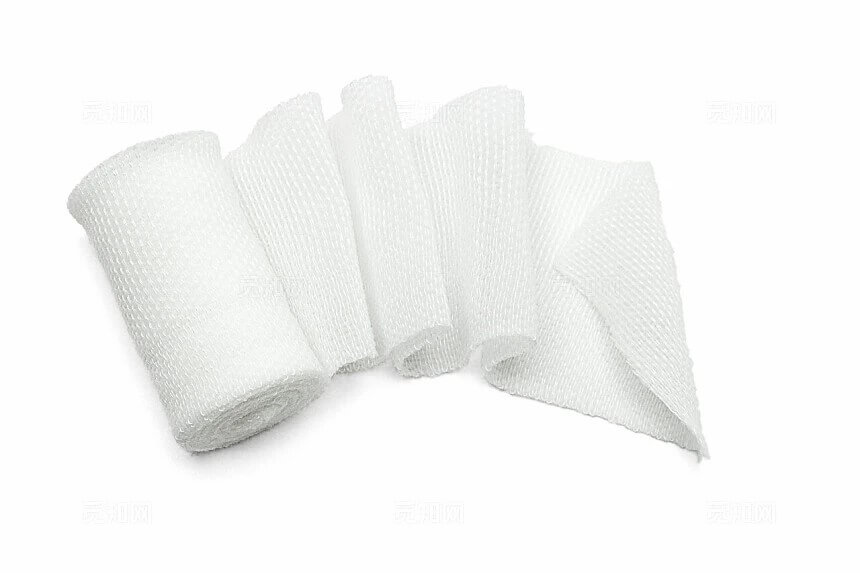
Medical and Orthopedic Supports
Spandex is used in various medical and orthopedic supports, such as wrist guards, knee braces, and joint supports, to allow movement while providing necessary support.
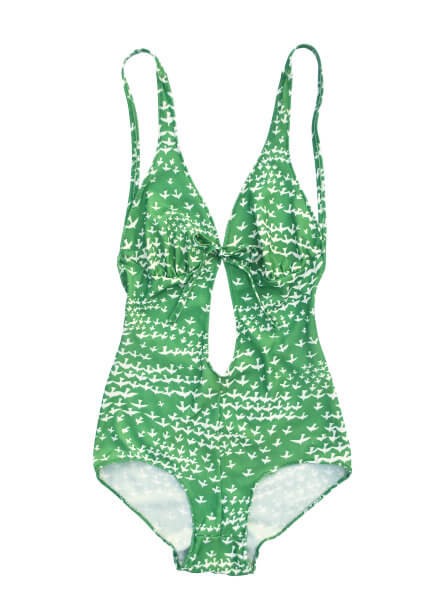
Swimwear
Swimwear often incorporates spandex to provide a snug fit and maintain shape both in and out of water. The fiber’s resistance to chlorinated water makes it ideal for this application.

Casual Wear
Casual wear, such as jeans and fitted shirts, often includes a small percentage of spandex to improve comfort and fit. The fiber’s elasticity allows for better movement and a more tailored appearance.
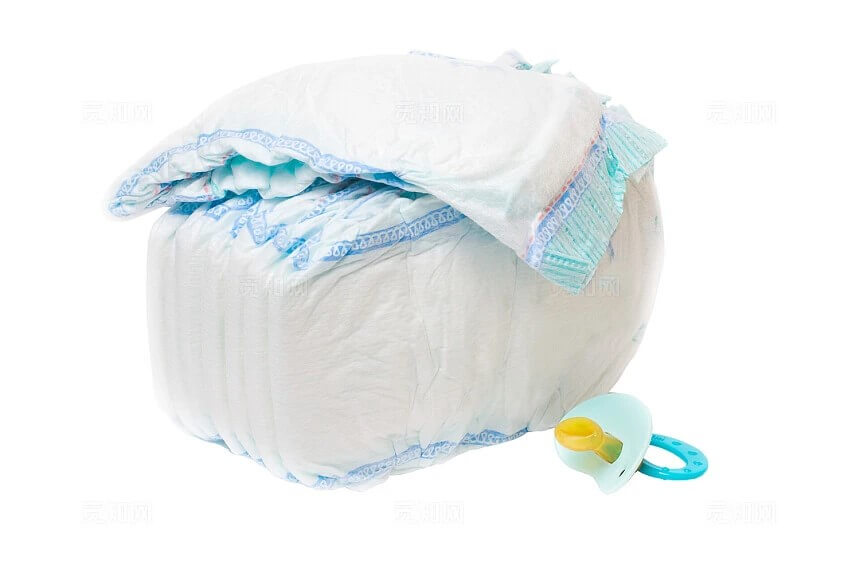
Diapers
Modern cloth diapers often contain spandex in their outer shells or leg gussets to ensure a secure fit around the baby
Manufacturing Process of Spandex
Spandex is produced through several spinning technologies, with solution dry spinning accounting for over 95% of global production. The manufacturing process involves the following steps:
Prepolymer Formation: Combining macro glycol and a diisocyanate monomer to form the prepolymer.
Chain Extension: Reacting the prepolymer with diamine acid to create a highly viscous substance.
Fiber Formation: Thinning the solution with a solvent and extruding it through a spinneret to form fibers.
Solidification: Exposing the fibers to a heated nitrogen and solvent gas mix before solidifying.
Bundling: Extruding the filaments and shaping them into bundles using compressed air, which adds a twisting effect.
Specifications of Spandex Yarn
Spandex yarns are available in various deniers, which measure the yarn’s thickness. The table below provides common specifications:
| Denier | Application |
|---|---|
| 10-40 | Hosiery, lightweight fabrics |
| 40-70 | Swimwear, activewear |
| 70-140 | Compression garments, medical supports |
| 140-280 | Casual wear, fitted sheets |
| 280-560 | Heavy-duty applications, industrial uses |
| 560-1680 | Specialized industrial applications |
Conclusion
Spandex is an indispensable fiber in the textile industry, offering unparalleled elasticity, durability, and versatility. From activewear to medical supports, spandex enhances the functionality and comfort of countless products. Understanding its properties, applications, and manufacturing process can help consumers and manufacturers make informed decisions about its use.
By incorporating spandex into various textiles, we can create products that not only perform better but also provide greater comfort and longevity.
Frequently Asked Questions
The key properties of spandex include:
– High elasticity
– Durability and resistance to wear
– Lightweight
– Fast-drying
– Resistance to body oils, perspiration, and detergents
The amount of spandex in clothing varies depending on the desired stretch and application. Generally, it ranges from 2% to 20%, with most garments containing 5-10% spandex blended with other fibers.
Spandex is not biodegradable, which raises environmental concerns. However, efforts are being made to recycle and repurpose spandex products to reduce waste and environmental impact.
To maintain spandex garments:
– Wash in cold water
– Air-dry or use low heat settings
– Avoid bleach and fabric softeners
– Store flat or hanging to prevent stretching
While spandex offers unique properties, some alternatives include:
– Natural fibers like cotton and wool for some applications
– Other synthetic fibers such as polyester and nylon
– Eco-friendly options like Tencel and bamboo fibers for certain uses
Pure spandex is rarely used in garments due to cost and practicality. It’s typically blended with other fibers to achieve the desired properties and reduce costs.

