The Complete Guide to Stretch Nylon Yarn: Specifications, Applications, and Sourcing Strategies
Stretch nylon yarn (also called high-elasticity nylon yarn or nylon elastane yarn) has transformed textile manufacturing with its unique ability to combine strength, flexibility, and durability. Engineered for dynamic applications where movement and resilience matter, this specialized yarn powers products from performance socks to medical textiles. This guide explores its technical specifications, industry uses, and why it’s becoming indispensable for manufacturers prioritizing quality and functionality.
What is Stretch Nylon Yarn?
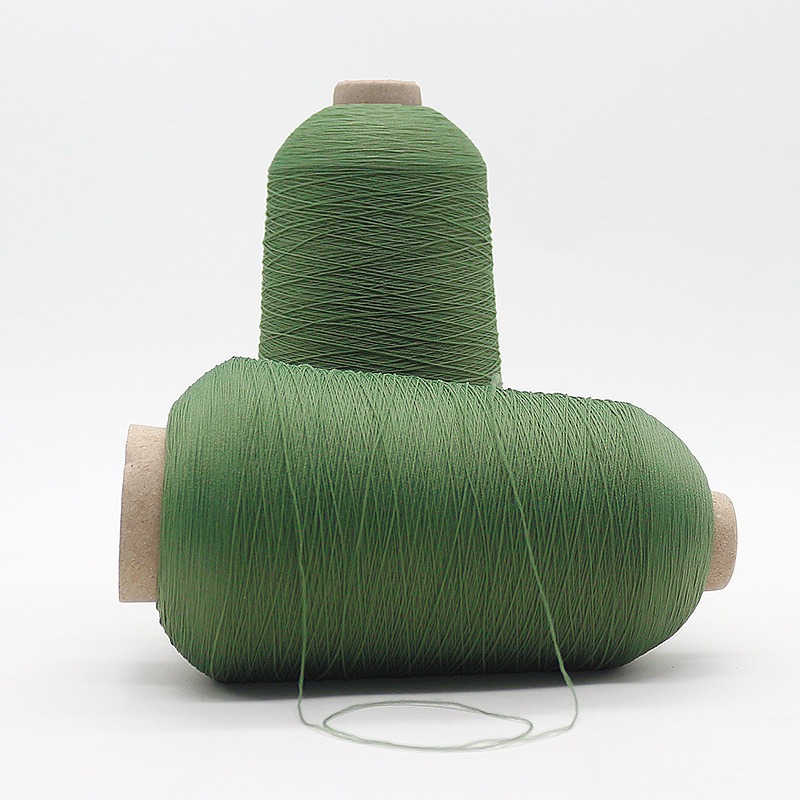
Stretch nylon yarn is a synthetic fiber modified to deliver 150–300% elongation while retaining nylon’s core strengths: high tensile resistance, abrasion tolerance, and durability. Unlike rigid yarns, it achieves elasticity through advanced processes like draw texturing (DTY) or core-spinning with spandex, creating a fiber that snaps back to shape after stress
Key Properties Driving Adoption:
Superior Elastic Recovery
Maintains original form after repeated stretching (critical for socks and sportswear).
Strength-to-Weight Balance
Tensile strength of 4.0–8.0 cN/dtex supports heavy use without breaking.
Moisture & Chemical Resistance
Low water absorption prevents degradation in humid environments; resists oils and solvents.
Customizable Hand Feel
Available in matte or semi-lustrous finishes for aesthetic flexibility
Technical Specifications: Matching Denier to Function
Stretch nylon yarn is graded by denier (D)—a measure of thickness—with lower numbers indicating finer yarns. Each denier serves distinct applications:
| Denier (D) | Filament Structure | Key Properties | Primary Applications |
|---|---|---|---|
| 30D/2 | 24 filaments | Ultra-soft, lightweight, high elongation | Sock toe seams, lingerie, medical bands |
| 40D/2 | 24 filaments | Balanced stretch & durability | Sock cuffs, lightweight athletic apparel |
| 70D/2 | 24 filaments | Abrasion-resistant, moisture-wicking | Sports bras, backpacks, industrial elastics |
| 100D/2 | 24 filaments | Maximum load-bearing capacity | Work gloves, safety harnesses, upholstery |
Note: Standard specs include 4+ colorfastness (washing/light), 1.0–1.5 lb breaking strength, and 1 kg/cone packaging
Industry Applications: Where Elasticity Meets Demand
1. Hosiery & Sock Manufacturing (Core Market)
Stretch nylon is the backbone of modern sock production due to its precision in key areas:
Toe Seams & Cuffs: 30D/2–40D/2 yarns prevent sagging in sock closures without cutting circulation.
Compression Zones: 50D/2 yarns provide targeted support in athletic and medical socks.
Jacquard Patterns: Fine 30D/2 yarns enable intricate designs without sacrificing elasticity.
Why it dominates: Outperforms cotton/polyester in shape retention after 50+ washes.
2. Athletic & Outdoor Apparel
Sportswear: 70D/2 yarns in leggings and sports bras offer muscle support during high-impact activity.
Backpacks/Outerwear: 100D/2 yarns reinforce stress points in straps and seams.
3. Medical & Hygiene Products
- Elastic Bands: 30D/2 yarns in braces and masks ensure gentle skin contact and stretch reliability.
4. Industrial Textiles
- Safety Gear: 100D/2 yarns in harnesses and lifting slings withstand extreme loads.
Advantages Over Competing Elastic Yarns
| Parameter | Stretch Nylon | Spandex Blends | Polyester-DTY |
|---|---|---|---|
| Elastic Recovery | 95–98% | 90–95% | 70–80% |
| Abrasion Resistance | Excellent | Good | Moderate |
| Moisture Management | Low absorption | Poor wicking | Variable |
| Cost Efficiency | $$$ (Mid-range) | $$$$ (High) | $ (Low) |
Why manufacturers choose it: Balances cost, durability, and technical performance—e.g., 30% longer lifespan than spandex-polyester blends in sock production
Innovations Shaping the Future
- Recycled Nylon Elastic Yarns
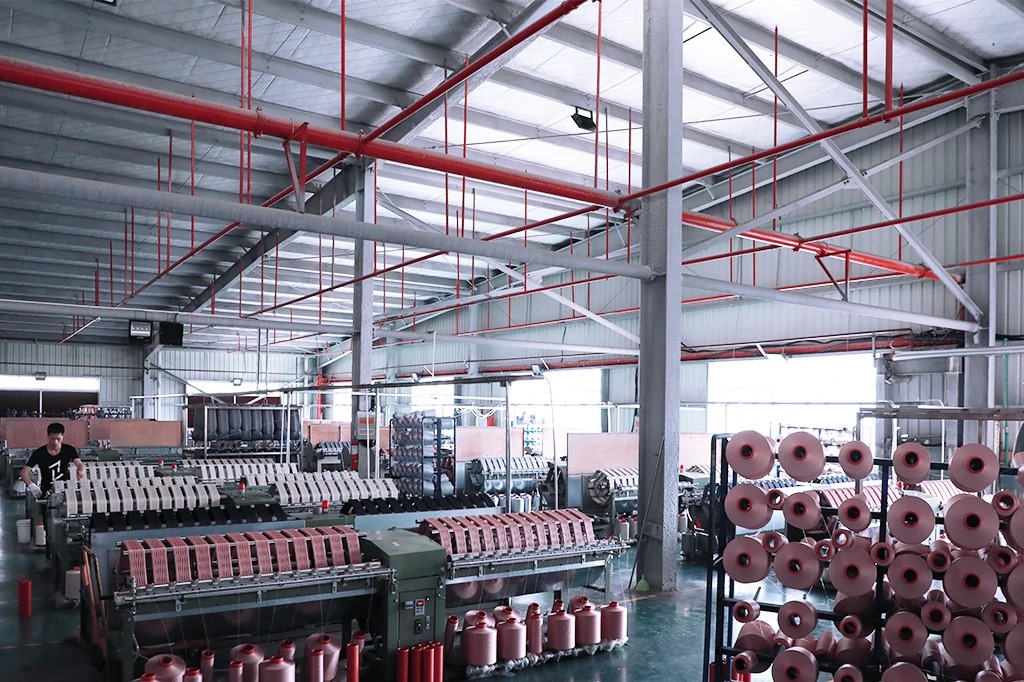
Brands like POLYLION® use regenerated ocean plastics to create stretch yarns matching virgin nylon’s performance—reducing environmental impact by 50%. - Smart Functional Blends
Anti-microbial coatings (e.g., silver ions) and thermo-regulating finishes enhance hygiene and comfort in medical/sportswear. - High-Tenacity Variants
Nylon 66-based stretch yarns (e.g., DuPont™ 70G13L) offer superior heat/chemical resistance for automotive/industrial uses
Sourcing High-Quality Stretch Nylon Yarn: A Purchaser’s Checklist
- Certifications & Testing
Demand OEKO-TEX® Standard 100 or GRS (Global Recycled Standard) certifications for safety/sustainability. Verify tensile strength (≥4.0 cN/dtex) and colorfastness (4+ on ISO scales) via third-party lab reports. - Supplier Capabilities
Prioritize manufacturers offering custom denier/twist levels (e.g., 80 TPM for sock cuffs). For large orders, confirm MOQs (e.g., 3000+ kg) and lead times (≤15 days for Alibaba-certified suppliers). - Sustainability Alignment
Opt for suppliers like Yongrong Textiles with traceable recycled content programs
Frequently Asked Questions
Yes—especially in core-spun formats (nylon wrapped over spandex). It provides comparable stretch (150–200%) with better durability and moisture management.
Lower deniers (30D/2–40D/2) suit seamless toes/cuffs for comfort; higher deniers (70D/2+) reinforce heel/sole zones in work socks.
Yes—advanced regeneration (e.g., Econyl®) preserves nylon’s polymer chain, maintaining 95%+ tensile strength.
70D/2 GRS-certified yarn blended with 15–20% spandex balances elasticity, sweat-wicking, and sustainability.
Conclusion: The Strategic Value of Stretch Nylon Yarn
Stretch nylon yarn solves a critical challenge for textile manufacturers: delivering motion-friendly elasticity without sacrificing durability. From precision sock construction to life-saving medical devices, its blend of resilience, customization, and innovation makes it indispensable. As sustainability and smart textiles evolve, partnerships with certified suppliers will ensure access to next-generation variants—blending performance with responsibility.
For purchasers, the key lies in aligning denier specifications (30D/2 to 100D/2) with end-use demands while prioritizing suppliers who invest in eco-technologies and testing transparency. This strategic approach future-proofs production in an increasingly elastic market.

