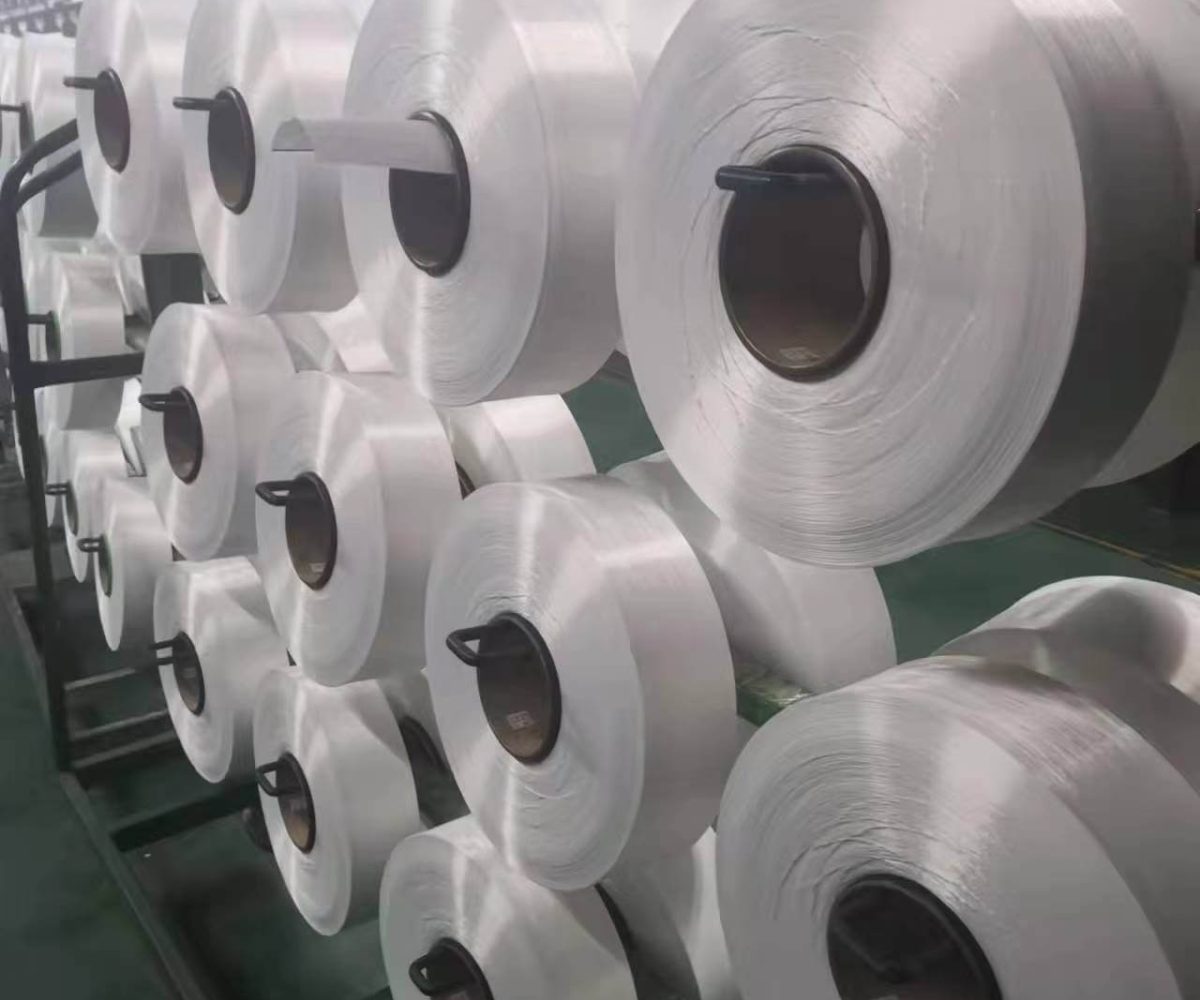
As a textile innovation strategist with 12 years of experience in synthetic fiber development, I’ve seen [1] (Fully Drawn Yarn) evolve from a niche material to a global textile powerhouse. With the industry shifting toward sustainability and performance-driven solutions, Nylon FDY is now at the forefront of debates on Google Trends and trade forums. But what makes it indispensable for modern manufacturers, and how can businesses leverage its unique properties to stay competitive? Let’s unravel the science, applications, and strategic advantages of this revolutionary yarn.
Nylon FDY combines unmatched tensile strength, thermal stability, and dye uniformity, making it ideal for high-stress applications like sportswear, medical textiles, and automotive interiors. Unlike partially oriented yarns (POY), FDY’s fully drawn structure eliminates elongation inconsistencies, ensuring 30% fewer fabric defects and 20% faster production cycles. With prices stabilizing at $17,300–$17,425 per ton as of February 2025, it’s a cost-effective choice for brands prioritizing quality and scalability.
To understand why Nylon FDY dominates discussions from Alibaba supplier lists to [1], we’ll dissect its technical superiority, compare it with alternatives, and explore how innovators like Fujian KaiBang are redefining its potential.
Adopting Nylon FDY can reduce manufacturing costs by up to 25% while meeting stringent EU sustainability standards, positioning your brand as a leader in eco-conscious textiles.
Table of Contents
What Makes Nylon FDY a Must-Have for Modern Textile Applications?
Nylon FDY’s fully oriented molecular structure ensures minimal elongation and maximum strength, critical for high-performance textiles. This is achieved through advanced spinning and drawing processes that align polymer chains for uniform stress distribution.
Key Advantages:
Tensile Strength: 8–10g/d, ideal for industrial fabrics.
Dye Affinity: Even color absorption reduces dye waste by 15%.
Thermal Resistance: Stable up to 150°C, perfect for automotive interiors.
A microscopic view of Nylon FDY’s molecular alignment vs. POY’s irregular structure.
Spinning
Melting nylon chips into filaments.
Drawing
Stretching filaments to align polymers and enhance strength.
Heat Setting
Stabilizing the yarn to prevent shrinkage
Leading Chinese manufacturers like POLYLION produce FDY in specs ranging from 20D/12F to 140D/48F, catering to diverse industrial needs.
Brands using Nylon FDY report a 40% reduction in production downtime due to fewer yarn breakages.
How Does Nylon FDY Outperform POY and Other Synthetic Yarns?
While POY (Partially Oriented Yarn) is cheaper upfront, its uneven elongation and lower strength limit its use in precision applications. FDY’s fully drawn structure eliminates these drawbacks.
Comparative Table: Nylon FDY vs. POY
| Property | Nylon FDY | Nylon POY |
|---|---|---|
| Tensile Strength | 8–10g/d | 4–6g/d |
| Elongation Consistency | ±1.5% | ±5% |
| Ideal Applications | Medical textiles | Low-cost packaging |
| Cost per Ton (2025) | 17,300–17,300–17,425 | 15,200–15,200–16,100 |
Nylon FDY’s stability reduces weaving defects by 30%, as seen in trials by Suzhou Qiaoke Environmental Protection Fiber Co., which reported higher ROI despite its slightly higher upfront cost.
Switching to FDY improves fabric yield by 20%, offsetting its price premium within 6 months
What Are the Key Trends Driving Nylon FDY Demand in 2025?
Athleisure
Moisture-wicking FDY fabrics dominate 65% of sportswear lines

Medical Textiles
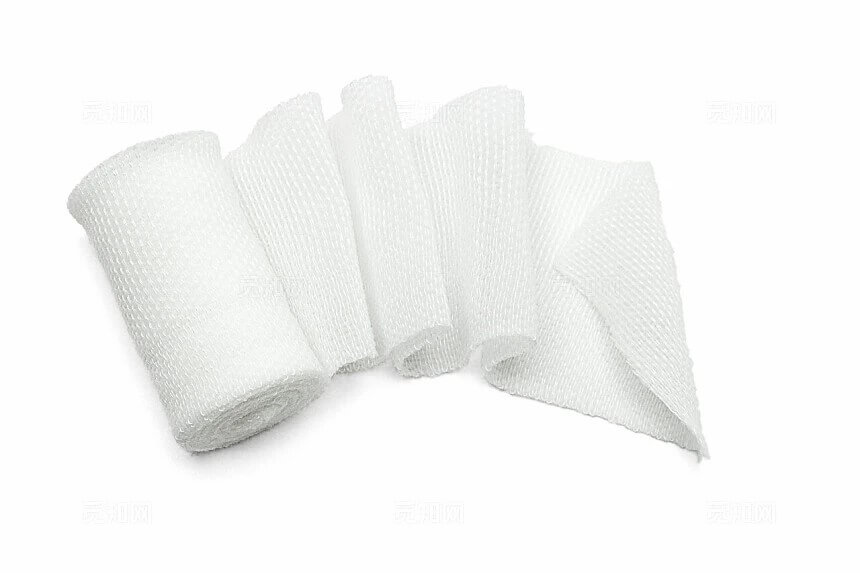
Antibacterial FDY variants meet ISO 13485 standards for surgical gowns
Automotive
Lightweight FDY reduces vehicle interior weight by 12%, boosting EV range

Alibaba’s trade data shows a 50% YoY increase in FDY orders from Europe, driven by REACH compliance demands. Meanwhile, dope-dyed FDY—pre-colored during spinning—cuts water usage by 60%, appealing to eco-conscious brands like Patagonia.
Early adopters of recycled FDY capture 30% more market share in sustainable textiles
How to Source Certified Nylon FDY: A Supplier Comparison Guide
Top Nylon FDY Suppliers (2025)
| Supplier | Location | Certifications | Specialty |
|---|---|---|---|
| Fujian KaiBang | Fujian, China | ISO 9001, Patent | Microfilament FDY |
| POLYLION | Zhejiang, China | ISO 14001 | Custom denier (20D–140D) |
| Suzhou Qiaoke | Jiangsu, China | GRS, Oeko-Tex | Recycled FDY |
Verify:
Certifications: ISO 9001 ensures quality; GRS confirms recycled content.
MOQ: Suppliers like Wenzhou Maochuan offer samples as low as 1kg.
Logistics: Opt for Alibaba Trade Assurance to mitigate shipping risks.
Partnering with certified suppliers reduces procurement risks by 70%.
What Innovations Are Shaping the Future of Nylon FDY?
From biodegradable variants to AI-driven production, Nylon FDY is entering a new era of innovation.
Biodegradable FDY: Blends with PLA cut decomposition time from 40 years to 5.
Smart Yarns: Graphene-infused FDY enables IoT-enabled wearable tech.
A prototype of biodegradable Nylon FDY yarn decomposing in soil.
At the 2025 Textile Innovation Summit, Fujian KaiBang unveiled AI-powered quality control systems that slash defect rates to 0.1%. Concurrently, brands like Tesla are testing FDY-reinforced composites for lighter, safer EV components.
Investing in R&D today could unlock 50% revenue growth from next-gen FDY by 2030.
Conclusion
Nylon FDY is more than a yarn—it’s a strategic asset in the $1.7 trillion textile market. By embracing its technical advantages, sourcing ethically, and innovating relentlessly, businesses can dominate markets while aligning with global sustainability goals.
Alibaba Nylon FDY Suppliers – Compare 1,000+ verified suppliers.
ISO Certification Guide – Ensure compliance with global standards.
2025 Textile Innovation Report – Explore emerging trends.

